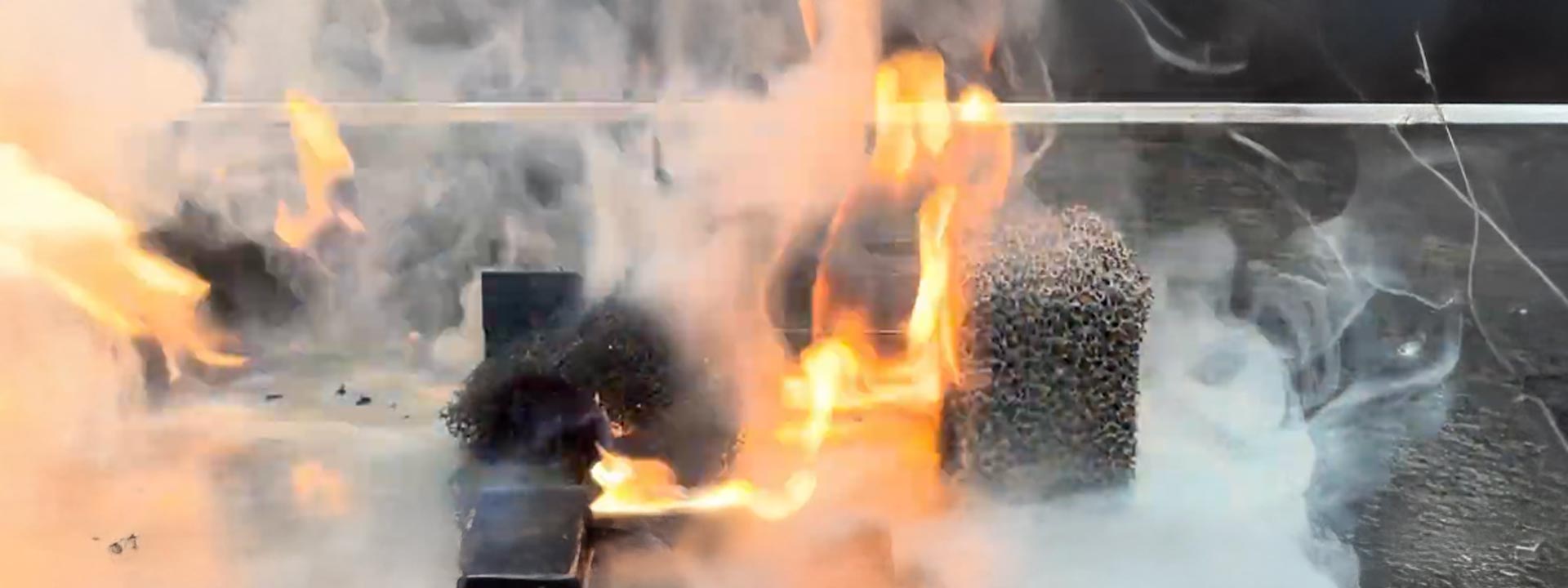
In motor racing, where split-second decisions and extreme conditions challenge the limits of safety, innovations often go unnoticed until they demonstrate their value on the track. Such is the story of TPR2 & EXFIRE’s Temprotex F1ER ignition barrier coating, a technology that has been silently revolutionising vehicle safety in select racing circles for years. Through extensive testing and demonstrated long-term performance, this versatile solution is now stepping into the spotlight, earning the recognition it deserves in the motorsports industry.
For years, Temprotex F1ER has been the unsung hero in various racing categories, quietly protecting drivers and vehicles from the ever-present threat of fire. Its journey from a promising technology to a trusted safety solution is a testament to the effectiveness of the technology. As word of its performance spread through the pits and garages of the racing world, major organisations began to take notice.
Now, this cutting-edge technology is breaking new ground, transforming vehicle safety on a broader scale. The trust placed in Temprotex F1ER by major racing organisations like NASCAR and NHRA is not just a result of its impressive specifications but also its proven track record in the demanding environment of competitive motorsports. This is spreading over to the protection of bushfire response vehicles, mining trucks, and bus safety solutions and even mitigation of flame spread from battery fires assisting in a safer transition to EVs for Australia and the rest of the world.
Temprotex F1ER is a high-performance, water-based, fast-drying sprayable coating designed specifically for use on car and truck bodies, plastic/composite panels, engine parts, and various other surfaces common in racing vehicles. This innovative product offers a unique combination of features that make it ideal for the demanding environment of motorsports:
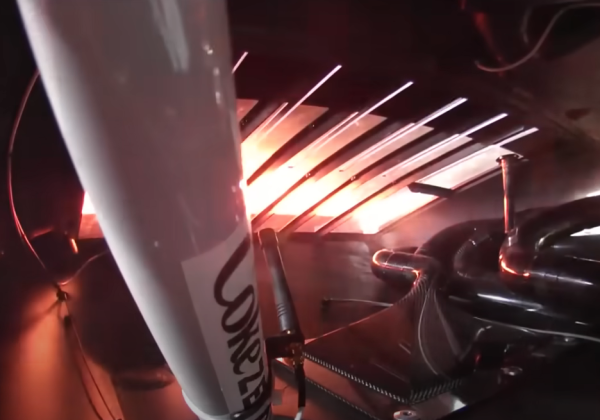
What sets Temprotex F1ER apart is its ability to create an effective ignition and flame spread barrier on thermosets and other flammable, ductile materials while simultaneously reducing core temperatures. This dual-action protection is crucial in preventing fire outbreaks and mitigating their spread in the event of an accident.
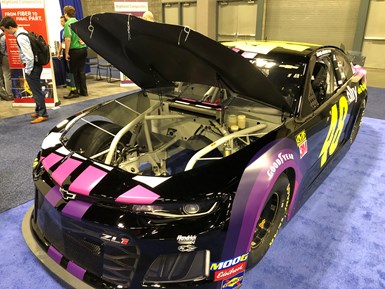
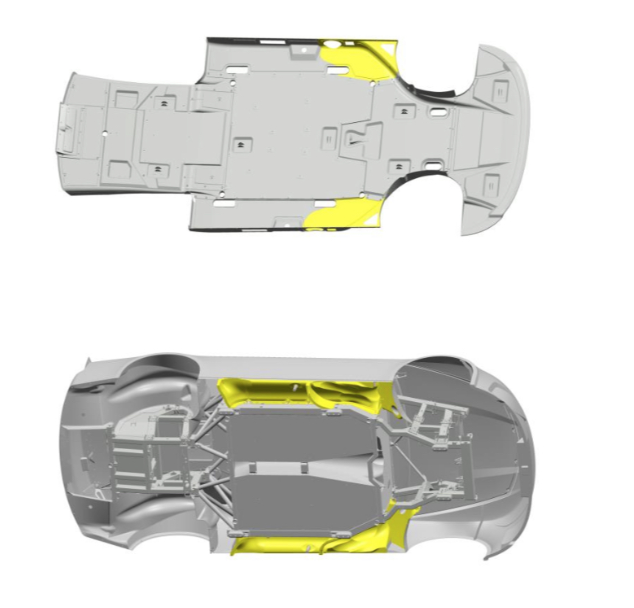
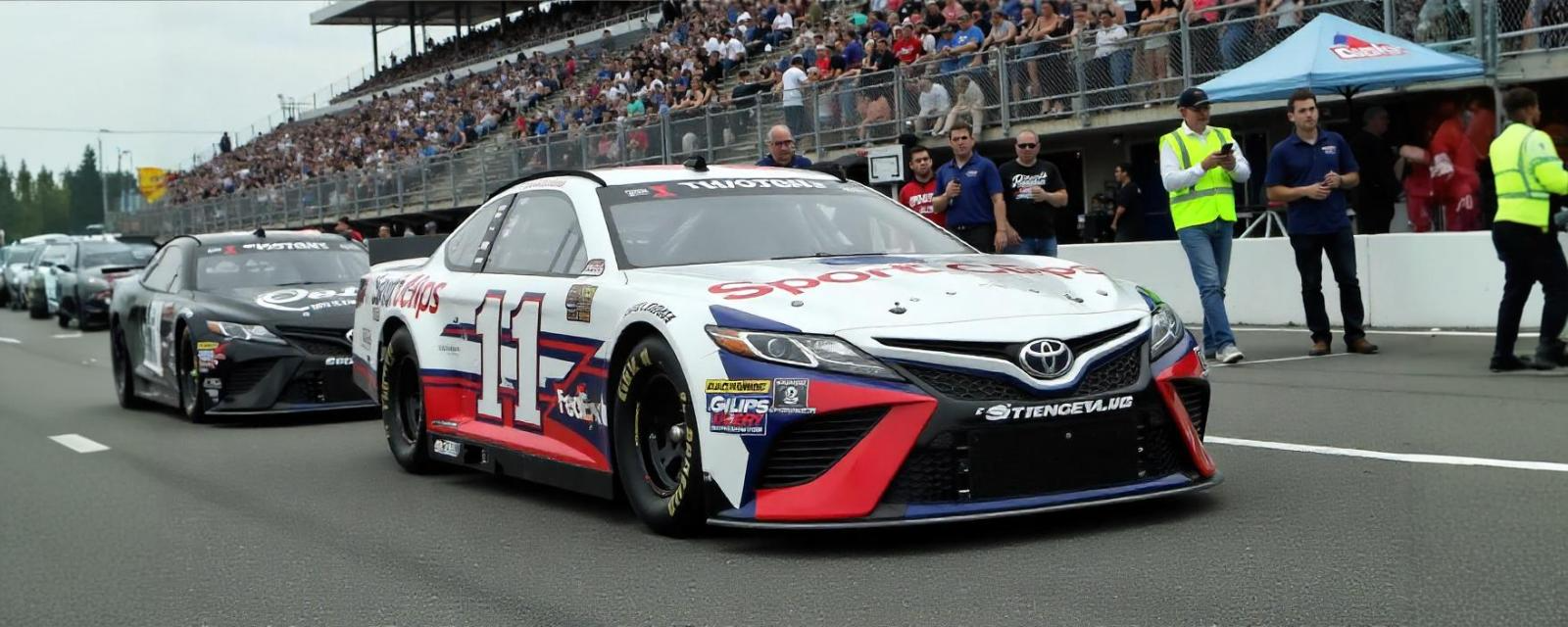
The adoption of Temprotex F1ER by NASCAR marks a significant milestone in racing safety. As the only SFI-approved flexible ignition barrier on composites to be utilised as part of new rule changes, Temprotex F1ER addresses a critical safety concern in NASCAR’s Next Gen cars.
These new vehicles, with their lightweight combustible surfaces and reduced clearances, had been prone to catching fire. Temprotex F1ER’s application via airless spray achieves a complete ignition and flame spread barrier on coated surfaces, effectively eliminating this risk.
The National Hot Rod Association (NHRA) has also recognised the value of Temprotex technology. NHRA teams are now encouraged to carry extra product with them to address any technical inspection issues that may arise. The association requires approximately 0.020″ of coating on all composites to ensure proper fire extinguishing and barrier performance.
As motorsport continues to evolve, with vehicles pushing the limits of speed and performance, the importance of advanced safety measures cannot be overstated. Temprotex F1ER represents a significant leap forward in this ongoing quest for safer racing.
By providing a reliable ignition barrier that doesn’t compromise on vehicle performance, Temprotex F1ER is setting a new standard in the industry. Its adoption by major racing organisations is a testament to its effectiveness and reliability.
As we look to the future, it’s clear that innovations like Temprotex F1ER will play a crucial role in shaping the landscape of motorsport safety. For teams, drivers, and racing enthusiasts alike, this breakthrough technology offers peace of mind knowing that the best possible protection is in place when it matters most.
In conclusion, Temprotex F1ER is more than just a coating – it’s a game-changing safety solution that’s earning the trust of the world’s top racing organisations. As it continues to prove its worth on tracks across the globe, we can expect to see this technology become an integral part of racing safety protocols for years to come.